
VU SCORE
64
Vince Gilligan has always been fascinated by discomfort. With Breaking Bad, it was the unease of rooting for a monster. With Better Call Saul, it was the slow dread of watching decency erode through charm and self-delusion. Pluribus takes that unease and removes the safety rail entirely. This is not a show that wants your allegiance. It wants your participation, your doubt, and, at times, your guilt. 🧠🌍
In Pluribus, Gilligan abandons the familiar moral fulcrum of a single protagonist. Instead, he constructs a pluralistic morality play where sympathy shifts, fractures, and occasionally inverts. Nowhere is this more apparent than in the show’s most controversial dynamic: the uneasy relationship between Surka and the so-called “alien virus.”
I often struggled to support Surka. Not because the character is poorly written or acted, but because Gilligan intentionally positions Surka as a vessel of denial. In contrast, I found myself drawn, disturbingly so, to the internal logic and tragic inevitability of the alien virus. That push and pull became the show’s gravitational center for me, evoking the same queasy empathy I felt watching No Country for Old Men, where emotional alignment feels morally suspect but intellectually unavoidable. 😶🌫️
Pluribus unfolds in a near-future aftermath defined less by explosion than erosion. Systems failed gradually, almost politely, until nothing remained to catch those falling through the cracks. The world did not end. It dispersed.
Rather than tracking a hero’s journey, Pluribus follows intersecting character arcs that ripple outward across communities, institutions, and belief systems. The alien virus, ambiguously framed as both invader and consequence, functions as a mirror rather than a villain. It reflects human indecision, fragmentation, and moral outsourcing.
Gilligan’s script refuses to clarify whether the virus is sentient, symbolic, or simply opportunistic. That ambiguity is deliberate. The show is less concerned with science fiction mechanics than with ethical collapse. Each episode asks a version of the same question: when responsibility is shared by everyone, does it belong to anyone?
The season oscillates between intimate character studies and broader societal snapshots. Some episodes feel almost theatrical in their focus, trapping two or three characters in ideological standoffs. Others sprawl outward, tracing the downstream effects of earlier choices.
This unevenness is not a flaw but a reflection of the show’s thesis. Collapse is not linear. Understanding arrives in fragments. Like Station Eleven or The Leftovers, Pluribus rewards patience, though it demands emotional endurance.
Episodes centered on Surka are the most polarizing, often deliberately frustrating. Those focusing on secondary figures and the virus itself feel oddly clarifying, even tender.
The ensemble cast delivers some of the most restrained, psychologically precise performances in recent television. Here’s a closer look at the key performers and the emotional journeys they embody:
As the central immune protagonist, Carol is a deeply imperfect, prickly, and often exasperatingly self-aware figure. Seehorn, previously acclaimed for Better Call Saul, channels that same quiet grit but in an entirely different register — a woman forced to care about a world that no longer wants to be saved.
Character Arc: Carol starts as reluctant and cynical, mistrustful of optimism and repulsed by the Others’ forced cheer. Gradually, her quest for answers becomes a journey into discomfort, empathy for the alien logic that seeks unity, and visceral resistance to enforced contentment. This internal contradiction by rejecting a harmless utopia becomes the show’s emotional core.
I frequently found myself struggling to support Carol’s ideological stubbornness while being uncomfortably drawn to the alien force’s internal logic. This mirrors the ethical unsettlement found in No Country for Old Men, where the antagonist’s presence forces the viewer to question their own moral stance even as they resist it.
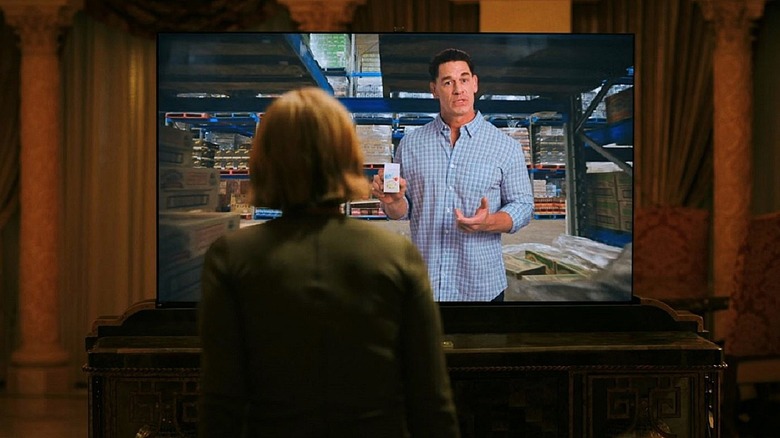
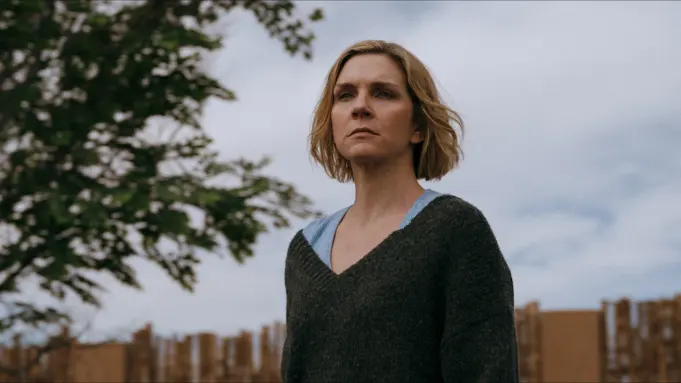
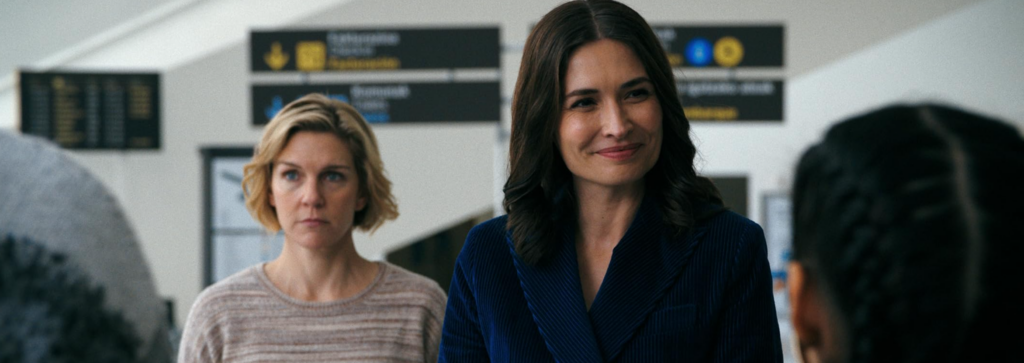

Zosia is one of the Others assigned to monitor or guide Carol. She embodies the paradox of the hive mind a compassionate, calming, and eerily serene carbon unit.
Character Arc: Initially a soothing counterpoint to Carol’s chaos, Zosia gradually reveals cracks beneath her tranquility. Wydra’s performance balances warmth with inscrutability, generating empathy even when her motives align with assimilation rather than freedom.
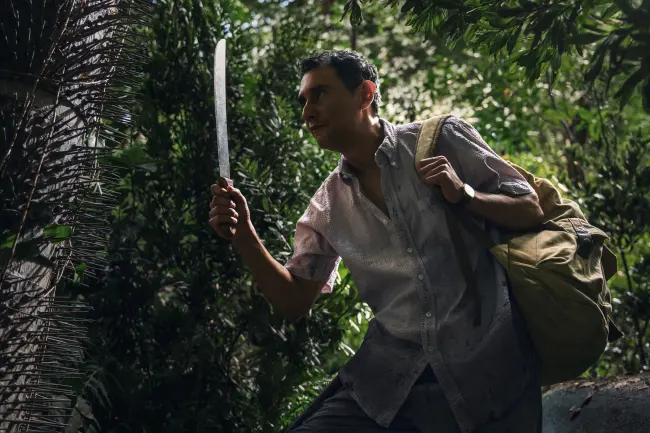
Manousos is another immune survivor whose path intersects Carol’s in unpredictable ways.
Character Arc: His arc revolves around the search for and connection with others. Unlike Carol’s intellectual resistance, Manousos represents the emotional hunger for companionship and understanding in a fractured world. His journey is physical, a perilous trek to find others, but also emotional, confronting isolation and the hope for belonging.
Helen adds depth to the peripheral world survivors. She provides narrative contrast — someone who has made peace with her choices amidst collapse, raising questions about what survival really means.
Schutte’s roles tend to be small but memorable, representing the layered social remnants in a post-Joining society.
Together, this ensemble paints a world in which every remaining human response is valid yet flawed, a thematic intersection of autonomy and extinction.
Supporting Characters, including former policymakers, caregivers, and system-maintainers, each carry distinct arcs defined by omission rather than action. Performances are understated but devastating. A former regulator haunted by a delayed report. A medic who followed protocol until protocol collapsed. These arcs never resolve neatly, reinforcing the show’s refusal to offer absolution.
The direction across episodes maintains a consistent observational distance. The camera rarely editorializes. It watches, waits, and occasionally lingers just long enough to make discomfort bloom.
Gilligan’s influence is present in the precision of staging and pacing, but Pluribus is visually colder than his earlier work. Where Breaking Bad luxuriated in composition, Pluribus often feels incomplete, as if the frame itself is unsure what deserves focus.
The score is minimal and unnerving. Ambient tones bleed into silence, creating a sense of unresolved tension. Music rarely cues emotion; it destabilizes it. There are no iconic themes here, only textures that suggest unease and slow-motion dread. 🎧
Desaturated and often harshly lit, the cinematography avoids romanticizing ruin. Landscapes feel fatigued rather than destroyed. Interiors are cramped, bureaucratic, and dim. The visual language reinforces the idea that collapse is administrative before it is catastrophic.
Pluribus marks a philosophical shift for Gilligan. His earlier work dissected individual moral decay. This series indicts collective abdication. It is less operatic and more accusatory.
If Breaking Bad asked how far one man would go, Pluribus asks how far everyone already has.
Tonally, Pluribus aligns with No Country for Old Men, Children of Men, and Station Eleven. Like those works, it creates empathy where it feels unsafe and withholds comfort where it is expected. This is not escapist apocalypse. It is reflective apocalypse. 🌒
Early critical response trends positive, with critics praising ambition, writing, and thematic density. Viewer reactions are more divided, largely around pacing and emotional austerity. This is a show that challenges rather than entertains, and that distinction matters.
Suggested external resources
Apple TV+ official series page
Vince Gilligan creator profile
Critical essays on No Country for Old Men and moral discomfort in cinema
Post-apocalyptic television analysis
Overall: ★★★★☆
Acting: ★★★★☆
Story: ★★★★☆
Music: ★★★☆☆
Directing: ★★★★☆
Cinematography: ★★★★☆